
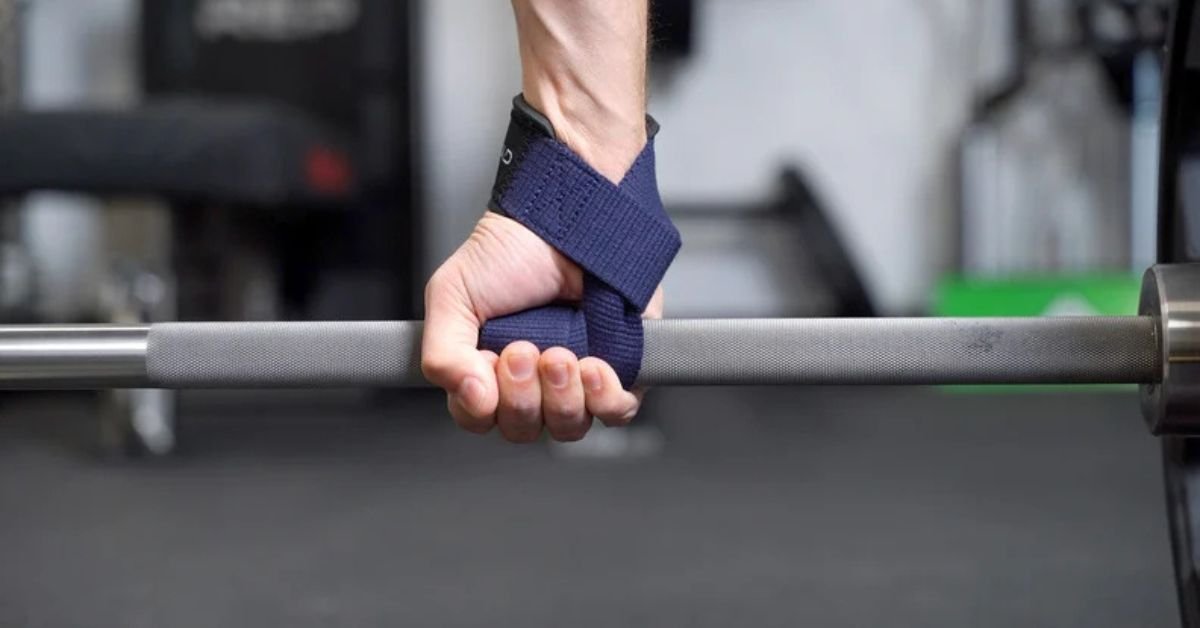
Lifting straps are simple gym accessories that help improve your grip during weightlifting. They wrap around your wrists and the barbell or dumbbell. This helps you hold heavier weights for a longer time. Many lifters use them during deadlifts, rows, and other pulling exercises.
Have you ever felt your hands giving up before your muscles do? This is a common problem for many people in the gym. A weak grip can limit your performance and stop you from reaching your strength goals. Learning how to wear lifting straps correctly can help you lift with more confidence and control.
Knowing how to wear lifting straps is important for both beginners and experienced lifters. When used properly, they can reduce grip fatigue and allow you to focus on the target muscles. In this guide, you will learn the correct way to wear lifting straps and get the most benefit from your workouts.
What Are Lifting Straps?
Lifting straps are simple fitness accessories used during weight training. They are made from strong materials such as cotton, nylon, or leather. The straps wrap around your wrists and the weight bar to improve your grip.
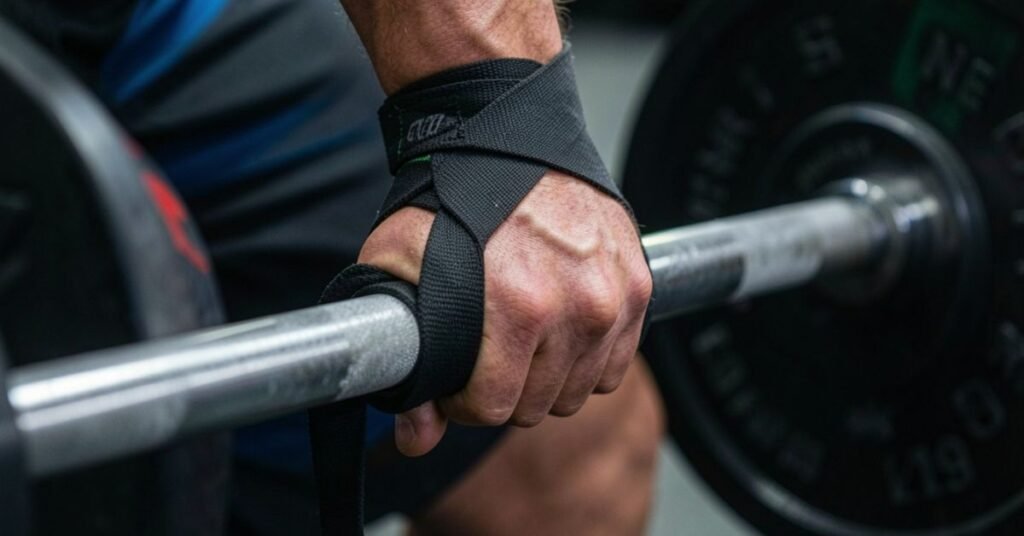
These straps help when your hands get tired before your muscles do. They reduce the stress placed on your fingers and forearms. This allows you to focus more on lifting the weight and working the target muscles.
Many people use lifting straps for exercises like deadlifts, rows, and shrugs. They are popular among beginners and experienced lifters. When used correctly, lifting straps can help improve performance and support heavier lifts.
Types of Lifting Straps
Lifting straps come in different styles to match different training needs. Some are made for heavy lifting, while others are designed for comfort and quick use. Choosing the right type can help improve your grip and make your workouts more effective.
The most common types are lasso straps, figure-8 straps, single-loop straps, and hook straps. Each type offers a different level of support and control. Understanding their features can help you decide which one works best for your training goals.
| Type of Lifting Strap | Description | Best For | Advantages | Disadvantages |
| Lasso Straps | The most popular type. One end forms a loop around the wrist, and the other wraps around the bar. | General weightlifting, deadlifts, rows | Adjustable, versatile, easy to find | Takes practice to use correctly |
| Figure-8 Straps | Shaped like the number 8 and loops around both the wrist and bar. | Heavy deadlifts and powerlifting | Very secure grip, strong support | Less flexibility during lifts |
| Single-Loop Straps | A simple design with one loop that wraps around the bar. | Beginners and light training | Easy to use, affordable | Less secure than other types |
| Hook Straps | Wrist straps with metal or plastic hooks attached. | Pulling exercises and beginners | Quick to put on and remove | Hooks can limit natural grip strength |
| Closed-Loop Straps | A sewn loop that stays attached around the wrist. | Regular gym workouts | Comfortable and easy to wear | Not ideal for maximum heavy lifts |
| Leather Straps | Made from durable leather material. | Experienced lifters | Long-lasting and strong | Can feel stiff at first |
| Cotton Straps | Soft straps made from cotton fabric. | Everyday training | Comfortable and affordable | May wear out faster over time |
| Nylon Straps | Made from strong synthetic fibers. | Heavy lifting sessions | Durable and resistant to wear | Can feel rough on the skin |
Benefits of Using Lifting Straps
Lifting straps can help you hold the bar more securely during workouts. They reduce the strain on your hands and fingers. This is useful when lifting heavy weights or performing high-repetition sets. With a stronger grip, you can focus more on the muscles you want to train.
Many lifters use straps to improve their performance in exercises like deadlifts, rows, and shrugs. They can help delay grip fatigue and allow longer training sessions. When used correctly, lifting straps can make heavy lifts feel more controlled and comfortable.
Key Benefits of Lifting Straps
- Improve grip strength during heavy lifts.
- Reduce hand and forearm fatigue.
- Help you lift heavier weights with confidence.
- Allow better focus on target muscles.
- Increase workout performance and training volume.
When to Use Lifting Straps
Lifting straps are best used when your grip becomes the weak point in a lift. If your hands start slipping before your back or leg muscles get tired, straps can help. They provide extra support and allow you to keep lifting safely.
Many people use lifting straps during heavy pulling exercises. Deadlifts, barbell rows, shrugs, and rack pulls are common examples. These movements often place a lot of stress on the hands and forearms, especially when lifting heavier weights.
You do not need to use lifting straps for every exercise. It is a good idea to train your natural grip strength as well. Use straps when lifting very heavy weights or when grip fatigue is limiting your performance. This helps you get the most out of your workout while still developing a strong grip.
How to Wear Lifting Straps
Start by placing your hand through the loop of the lifting strap. Tighten the loop around your wrist so it feels secure but comfortable. The loose end of the strap should hang down toward your fingers.
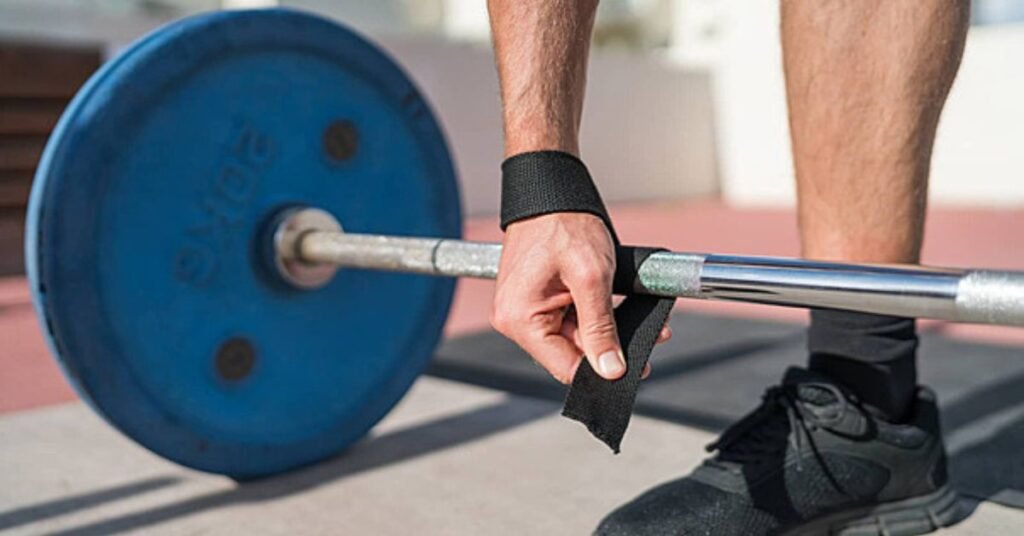
Next, grab the barbell or dumbbell and wrap the loose end of the strap around the bar. Roll the bar with your hand to tighten the strap. Make sure the strap is snug, and there is no extra slack.
Once both straps are secured, grip the bar firmly and check that everything feels comfortable. The straps should help hold the weight without causing pain or restricting movement. You are now ready to perform your lift with better grip and control.
Common Mistakes to Avoid
One common mistake is using lifting straps for every exercise. This can make you rely on them too much and limit the development of your natural grip strength. It is best to use straps only when they are truly needed.
Another mistake is wearing the straps incorrectly. Loose straps can slip during a lift and reduce their effectiveness. Always make sure the straps are wrapped tightly and securely around the bar before lifting.
Many people also try to lift weights that are too heavy just because they are using straps. Lifting straps improve grip, but they do not replace proper technique. Focus on good form and gradual progress to stay safe and avoid injuries.
Best Exercises for Lifting Straps
Lifting straps are useful for exercises that require a strong grip and heavy pulling movements. They help you hold the weight when your hands become tired. Many athletes use them during strength training to improve their performance.
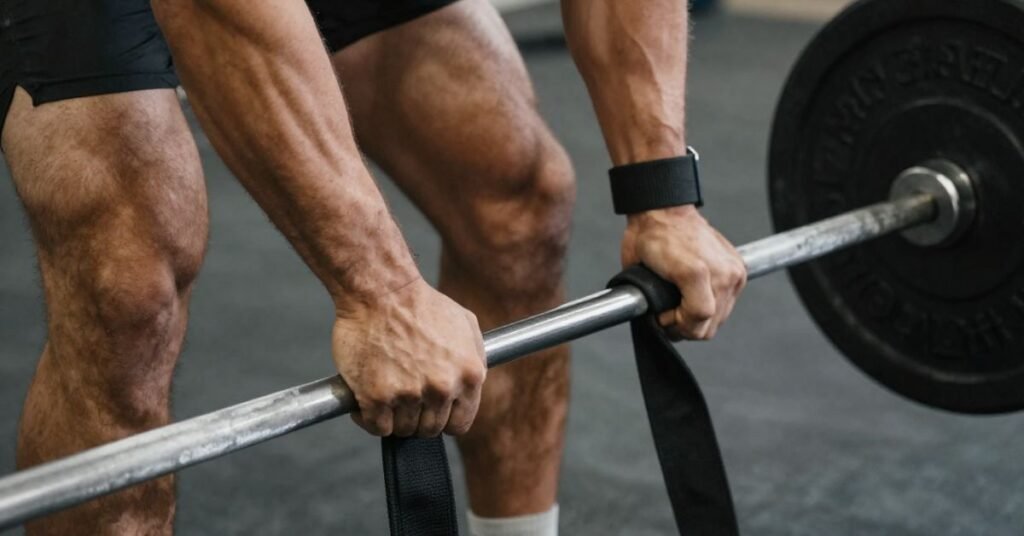
Deadlifts are one of the best exercises to use with lifting straps. They help you lift heavier weights by reducing grip limitations. Other great exercises include barbell rows, shrugs, rack pulls, and pull-ups with added weight.
Lifting straps are also helpful for back and upper-body workouts. They allow you to focus more on the target muscles instead of worrying about your grip. Use them correctly to get better control and support during heavy training sessions.
Lifting Straps vs Gloves
Lifting straps and gloves are both used during workouts, but they have different purposes. Lifting straps are designed to improve grip on heavy weights. Gloves mainly protect your hands and reduce friction during training.
Lifting Straps:
- Help you hold heavier weights for longer.
- Reduce grip fatigue during pulling exercises.
- Best for deadlifts, rows, and shrugs.
- Allow better focus on target muscles.
- Provide extra support during heavy lifts.
Lifting Gloves:
- Protect hands from blisters and calluses.
- Provide a more comfortable grip.
- Good for general gym exercises.
- Add a layer between your hands and the equipment.
- Do not provide the same grip support as straps.
Choosing between lifting straps and gloves depends on your workout goals. If you want more grip support for heavy lifting, straps are a better choice. If you want hand protection and comfort, gloves may be more suitable.
Choosing the Right Lifting Straps
Choosing the right lifting straps depends on your workout style and lifting goals. Different straps offer different levels of support, comfort, and durability. Beginners may prefer simple cotton straps, while experienced lifters may choose stronger materials like leather or nylon.
Consider the type of exercises you do before buying lifting straps. If you perform heavy deadlifts, figure-8 straps can provide extra security. For general gym workouts, lasso straps are a good choice because they are easy to adjust and use.
The quality and comfort of the straps are also important. Choose straps that fit your wrists properly and feel comfortable during training. A good pair of lifting straps can improve your grip, support your lifts, and last for a long time.
Grip Strength Tips
A strong grip helps you lift weights with better control and confidence. Even when using lifting straps, it is important to keep improving your natural grip strength. A good grip can improve your overall workout performance.
Practice exercises that target your hands and forearms. Farmer’s walks, dead hangs, and wrist curls are simple exercises that can build grip strength. Train your grip regularly, but avoid overworking your hands.
Using proper lifting techniques also helps improve your grip. Hold the bar firmly and keep your wrists in a stable position. With regular practice and the right exercises, your grip strength will improve over time.
Conclusion
Lifting straps are helpful tools for improving grip and supporting heavy lifts. They can help you train harder and focus on your target muscles. Using them correctly can make your workouts more comfortable and effective.
Remember to choose the right straps and use them with proper technique. Do not depend on them for every exercise. Keep building your natural grip strength while using lifting straps as a helpful training tool.
FAQs
1. What are lifting straps used for?
Lifting straps help improve grip and support your hands during heavy weightlifting exercises.
2. Are lifting straps good for beginners?
Yes, beginners can use lifting straps to learn proper lifting techniques and handle weights more comfortably.
3. Can lifting straps increase lifting strength?
Lifting straps do not increase muscle strength directly, but they help you lift heavier by reducing grip limitations.
4. When should I use lifting straps?
Use lifting straps during heavy pulling exercises like deadlifts, rows, and shrugs when your grip starts to fail.
5. Are lifting straps better than lifting gloves?
Lifting straps provide better grip support for heavy lifts, while gloves mainly protect your hands from blisters and discomfort.